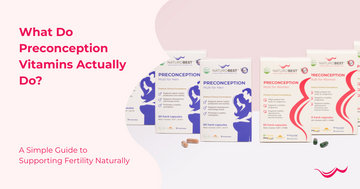


Preconception
During the four-month preconception period, the goal for women is to build robust nutrient stores. Key nutrients include folate, vitamin B12, choline, iodine, iron and zinc, all of which play crucial roles in supporting a healthy conception and pregnancy.
Preconception care is essential for ensuring that both egg and sperm quality are as high as possible. The quality of these cells directly influences the health of the baby, which is why this preparatory phase deserves careful attention.
A preconception plan should ideally be followed for at least three to four months, though longer preparation, such as one to two years, is even more beneficial. If you have underlying health conditions, setting aside additional time allows your body to reach an optimal state for pregnancy and helps reduce the pressure to conceive quickly.
Nutrient status forms the foundation of preconception care, as nutrients act as the building blocks for healthy eggs and sperm. Some people may require additional supplements alongside a preconception multi, especially in cases of iron deficiency. A blood test, such as serum ferritin (your iron stores), will help determine whether extra support is needed.
It is best to address iron status at the very start of preconception. This allows time to replenish stores before pregnancy begins. Chronic iron deficiency may signal poor absorption or excessive blood loss. Conditions such as coeliac disease or IBD can impair absorption, while heavy periods or gastrointestinal bleeding may lead to low iron levels. If iron deficiency has been long-standing, further investigation is advisable.
For men, the focus is on producing healthy sperm. Four key nutrients - vitamins B12, C, E and zinc all play central roles. A comprehensive men’s preconception multi will also include ingredients to support healthy testosterone levels and sperm function. Additional antioxidants, such as alpha lipoic acid (which helps recycle CoQ10), can be particularly useful.
Inflammation and metabolic factors can reduce sperm quality. Contributing factors include toxin or chemical exposure in the workplace, alcohol intake, smoking and low physical activity. Blood glucose and cholesterol that are not within an ideal range may also affect sperm health. Lifestyle adjustments are essential to minimising these influences.
First Trimester of Pregnancy
Nutritional needs shift throughout pregnancy and breastfeeding, beginning with a sharp increase in demand for folate. Folate is most crucial from one month before conception until the sixth week of pregnancy, when the neural tube closes. At this stage, women should consume at least 500 mcg of folate daily.
Quatrefolic is an active form of folate with superior absorption compared to other forms. It is also significantly more costly, around 150 times more expensive than folic acid, so it appears mainly in premium supplement brands such as NaturoBest. Folic acid is still routinely found in many cheaper, poor quality alternatives.
Research shows that vitamin B12 is equally important during this early period, often used in a 1:1 ratio with folate. During the first trimester, up to 85 per cent of women experience morning sickness, which can make it difficult to tolerate certain nutrients. Iron, higher-dose zinc and B vitamins can all worsen nausea.
Prenatal Trimester One was formulated with the sensitive stomach of newly pregnant women in mind and can be used until morning sickness subsides, typically between week 14 and 16. For those who struggle with swallowing capsules due to an increased gag reflex, using capsules instead of tablets offers the flexibility to open them and mix the contents into a smoothie or yoghurt.
Supporting women through morning sickness is essential. It can be an emotionally and physically difficult time, and reaching nutrient requirements may feel overwhelming. Adequate guidance, reassurance and practical strategies help ensure nutritional needs are met.
Second and Third Trimesters of Pregnancy
From around week 16 onwards, blood volume increases significantly, up to double its original amount, raising overall nutrient requirements. At this stage, women need a prenatal multi formulated to meet these heightened demands during the second and third trimesters.
Breastfeeding
Breastfeeding mothers require substantial nutritional support to meet their own needs while producing nutrient-rich breast milk for their baby. Iodine requirements increase even further during breastfeeding, becoming higher than during pregnancy itself. Prenatal Trimester 2 & 3 Plus Breastfeeding contains the recommended daily intake of iodine for breastfeeding women, which is 270 mcg.
The Difference Between Preconception and Prenatal Multivitamins
There is no fundamental difference between preconception vitamins and pregnancy vitamins designed for the second half of pregnancy and breastfeeding. Preconception formulas focus on building nutrient stores, while prenatal formulas meet increased ongoing needs. The first trimester, however, has unique requirements, which is why a separate, carefully tailored formula is recommended during this sensitive stage.